

Cadillac sales in the United States decreased 26 percent to 31,098 units during the first quarter of 2026.
Individual model sales performance was as follows:
- Cadillac CT4 sales increased 27.43 percent to 1,547 units
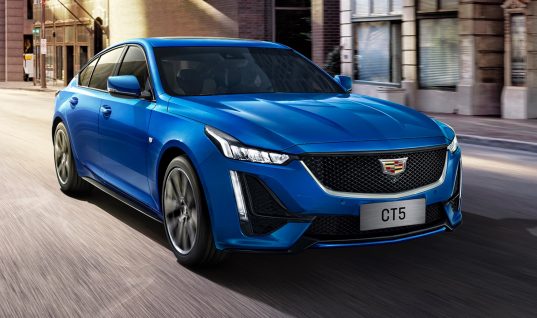
- Cadillac CT5 sales decreased 13.31 percent to 3,451 units
- Cadillac Escalade sales decreased 28.54 percent to 9,063 units
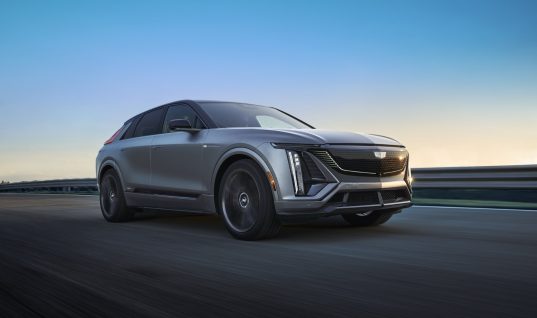
- Cadillac Escalade IQ sales decreased 26.79 percent to 1,432 units
- Cadillac Lyriq sales decreased 21.63 percent to 3,370 units
- Cadillac Optiq sales increased 65.91 percent to 2,847 units
- Cadillac Vistiq sales totaled 1,902 units
- Cadillac XT4 sales decreased 97.34 percent to 127 units
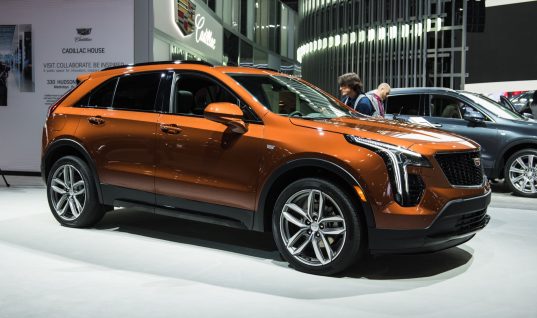
- Cadillac XT5 sales decreased 15.9 percent to 5,343 units
- Cadillac XT6 sales decreased 57.81 percent to 2,016 units
Sales Results - Q1 2026 - USA - Cadillac
| MODEL | Q1 2026 / Q1 2025 | Q1 2026 | Q1 2025 |
|---|---|---|---|
| CT4 | +27.43% | 1,547 | 1,214 |
| CT5 | -13.31% | 3,451 | 3,981 |
| ESCALADE | -28.54% | 9,063 | 12,683 |
| ESCALADE IQ | -26.79% | 1,432 | 1,956 |
| LYRIQ | -21.63% | 3,370 | 4,300 |
| OPTIQ | +65.91% | 2,847 | 1,716 |
| VISTIQ | * | 1,902 | * |
| XT4 | -97.34% | 127 | 4,775 |
| XT5 | -15.90% | 5,343 | 6,353 |
| XT6 | -57.81% | 2,016 | 4,778 |
| CADILLAC TOTAL | -25.53% | 31,098 | 41,757 |
The Cadillac Society Take
Cadillac sales began the 2026 calendar year with a significant contraction, marked by the discontinuation of two models and the impact of winter storms that affected the market as a whole during January and February. As such, the poor performance in Q1 continues the marque’s downward trend that began at the end of 2025, representing Cadillac’s second consecutive quarterly decline in its home market.
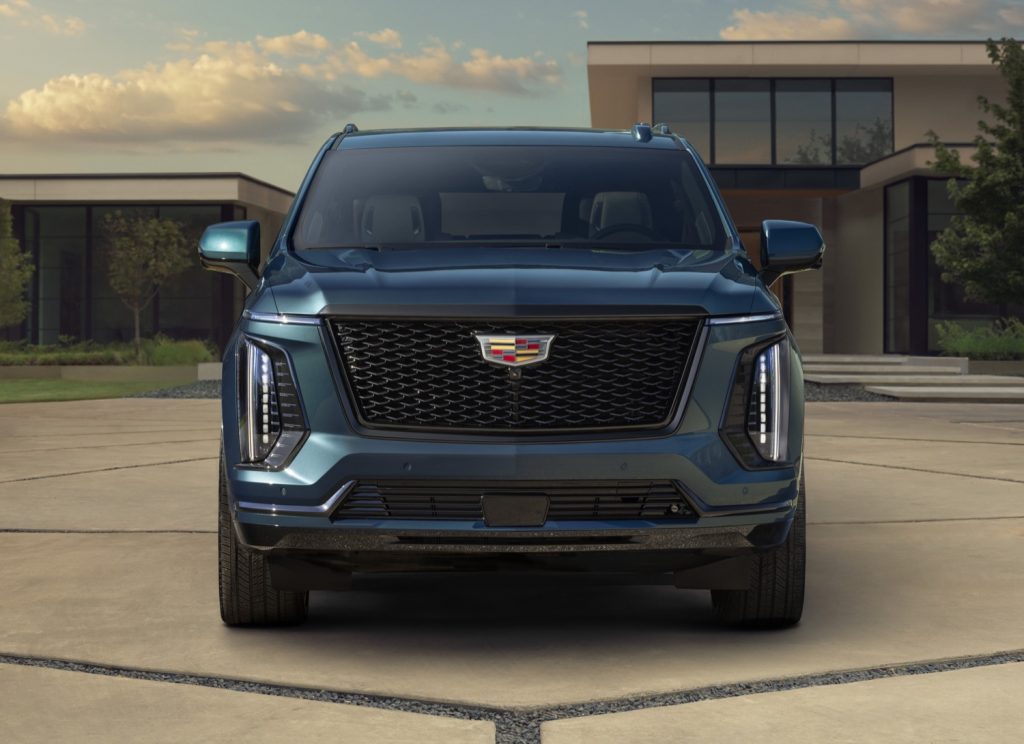
In addition to the natural decline in volume experienced by the discontinued Cadillac XT4 and XT6, the internal combustion-powered Cadillac Escalade was hit the hardest, suffering a significant drop of over 3,600 units during the first quarter of the year compared to the same period in 2025. Even so, the Escalade remains firmly the best-seller for Cadillac, with a considerable lead over the second-place Cadillac XT5, which experienced a less pronounced decline of approximately 1,000 units year-over-year.
As Cadillac Society reflected almost two years ago, Cadillac is unique given that its most expensive model is also its best-seller – a luxury (pun not intended) not enjoyed by most of rivals.
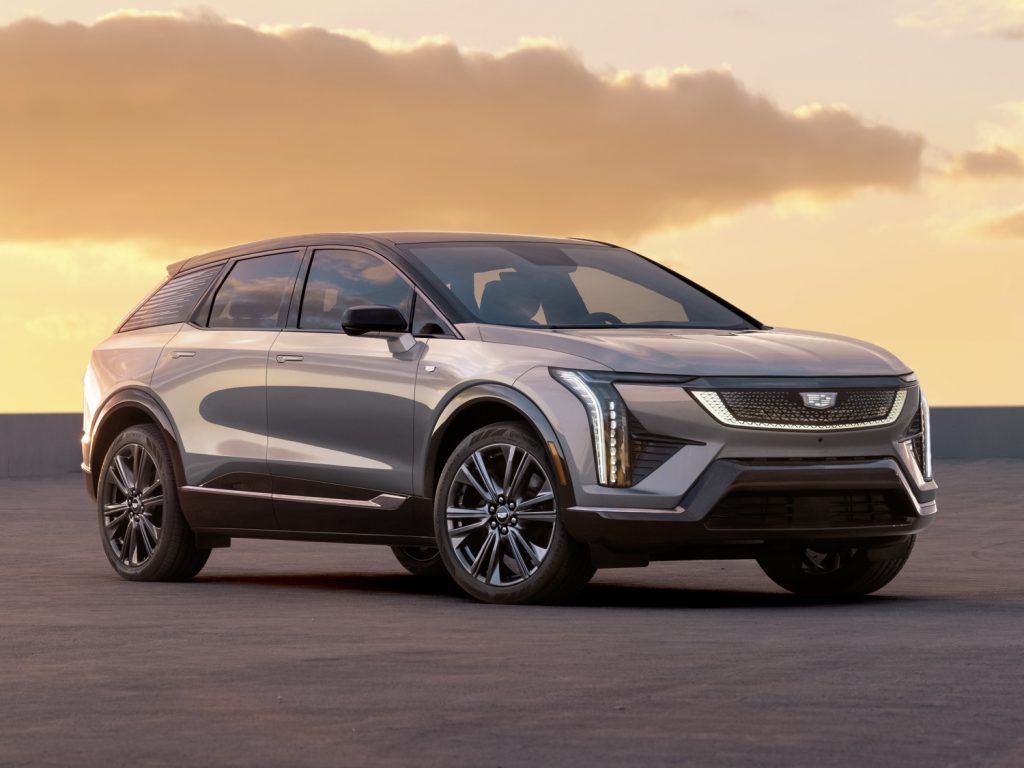
Meanwhile, the Cadillac Optiq and CT4 were the only models to finish the quarter in the green, with each posting healthy double-digit growth. With deliveries approaching 3K units, the Optiq electric crossover regained the momentum it lost in Q4, making it Cadillac’s second best-selling electric model (behind the Lyriq).
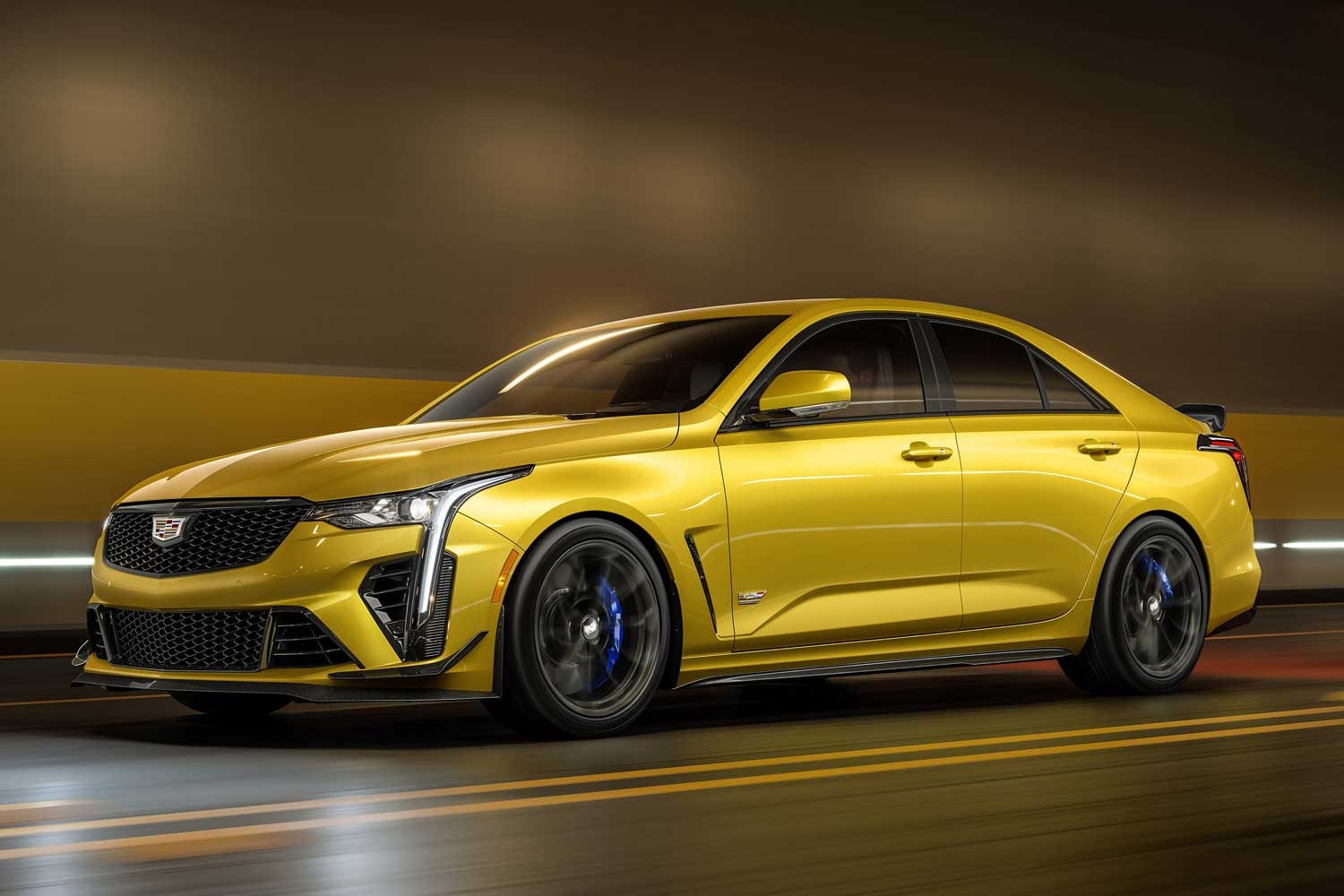
But the biggest surprise was the Cadillac CT4, which posted a 27 percent increase just before its order banks closed. Meanwhile, the new Cadillac Vistiq recorded its first sales during Q1.
About The Numbers
- All percent change figures compared to U.S. Cadillac sales for Q1 2025, unless noted otherwise
Further Reading & Sales Reporting
- Cadillac news
- Running Cadillac sales results

Frank Ricciardi
In my opinion Cadillac is sinking its own canoe. They’re dropping good ICE products like the XT6 and replacing them with EVs that are much more expensive and selling much slower than expected. I don’t think EVs are ready for prime time…I think we’re a battery generation or two from EVs being practical replacements for Gas powered vehicles. I’ve bought 21 new Cadillacs over the past 46 years, but I ain’t buying an EV!
Jan Sandberg
It seems the sedans are finally getting a renaissance. I recall Cadillacs as a standard of the world of fine four doors, even limousines.
Jack Murray
My 2025 Optiq is my fourth EV. I’ve had three Teslas. There was a time when I felt the same way about electric vehicles. It didn’t happen overnight, but several realizations changed my mind.
First, no gasoline. After 70 years I just got sick of pumping gas. Second, the performance is beyond outrageous. Third, no oil to change every 4,000 miles and brakes last almost forever. Fifth, a modern IC engine is much more complicated than an electric motor and has countless parts that can fail. Sixth, every morning I have a full tank of electrons. Seventh, I have access to Tesla superchargers whenever I need a charge on a trip.
Tony P
The increased complexity is due to the unrealistic (and unnecessarily stringent) fuel economy and emissions standards designed primarily to artificially force buyers into electric cars. Turbocharged I-4 engines with stop-restart at every intersection certainly do not have performance or reliability as their primary goal.
As for plug-in electrics, I regularly take nearly-600-mile trips between Southeast Michigan and my place in the Western Upper Peninsula, including in winter. No EV has the range to get me there without at least one, and more likely two, stops to charge the battery, each much longer than the five- or ten-minute “pit stop” required to gas up. Overnight charging would require expensive infrastructure in my homes in both places, with no assurance that the next time I buy a newer model, newer technology won’t require modifications to that charging infrastructure. And finally, my last 4 cars have been well-maintained and running well past 10 years and over 160,000 miles from new. Were that to happen with a battery electric, there’s a high possibility that I’d be facing a choice between a five-figure out-of-warranty battery replacement or scrapping the car.
For me, an EV is not a practical alternative to a gasoline engine. I’d prefer a normally-aspirated V-6 or V-8 (or larger) Internet-combustion engine in a large sedan that doesn’t require a step ladder to get in and out of, or to wash on a Saturday afternoon. And it greatly disappoints me that “our” government is deliberately working hard to deny me that choice without the need to buy a mid-six figure Bentley or Rolls Royce.